
Sustainability at UMCIL
Steel that builds the future must protect it too. Our commitments to the environment, our communities, and the safety of every person on site.
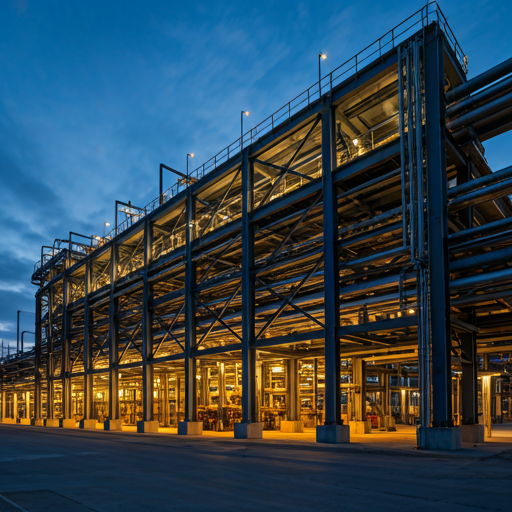
Environmental Measures
As Zambia's pioneer integrated steelworks, UMCIL pairs heavy industry with environmental discipline. Our production chain is engineered to minimize emissions, recover energy, and recycle at every opportunity.
Scrap recycling: locally collected scrap steel is re-melted in our Electric Arc Furnace, diverting waste from landfill and reducing reliance on virgin ore.
Waste heat recovery: process heat is captured and reused across the plant to cut net energy consumption.
Emissions monitoring: continuous air-quality and effluent monitoring in line with ZEMA requirements.
Water stewardship: closed-loop cooling systems reduce fresh-water draw from the Kafue basin.
Community Impact
UMCIL is one of the largest employers in the Kafue district. Beyond jobs, we invest in the people and institutions around our plant — because a steelworks is only as strong as the community it stands in.
1000+
Direct & indirect jobs
90%
Local workforce
2008
Serving Kafue since
Skills development: apprenticeships and technical training for young Zambians in metallurgy, engineering, and plant operations.
Local procurement: priority sourcing from Zambian suppliers and transporters across our value chain.
Community programs: support for schools, health initiatives, and infrastructure in the Kafue district.
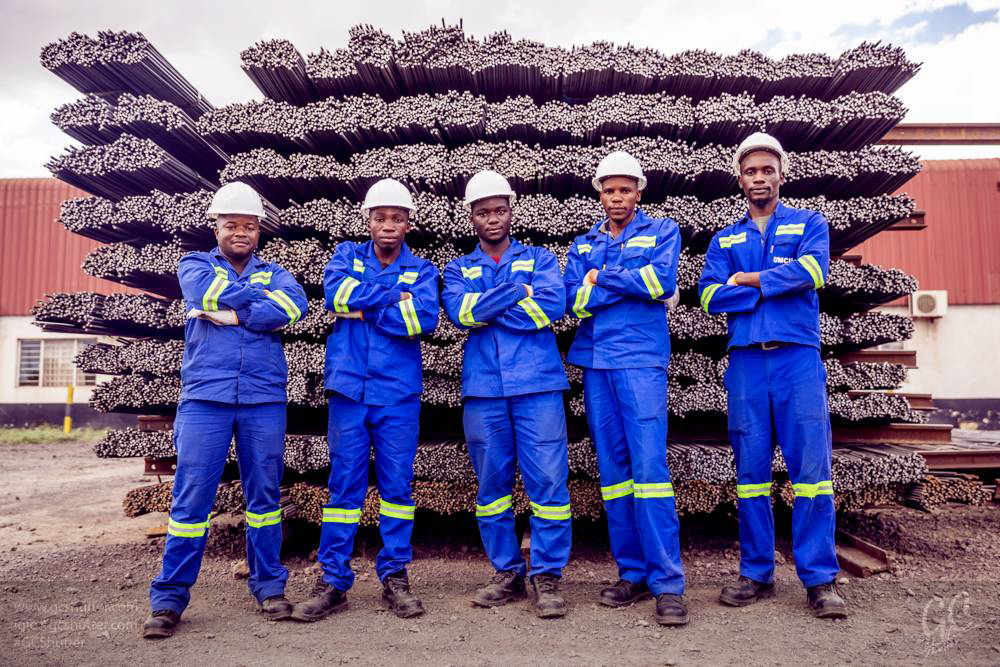
EHS Policies
Environment, Health & Safety is non-negotiable in heavy industry. Our zero-harm framework governs every shift, every process, every person on site.
Zero-Harm Safety Culture
Mandatory PPE, permit-to-work systems, and daily toolbox talks across all production areas. Every incident and near-miss is reported, investigated, and closed out.
Occupational Health
Routine medical surveillance, heat-stress management, and hearing conservation programs for all furnace and mill personnel, aligned with Zambian labour law.
Environmental Compliance
Operations audited against ZEMA licensing conditions with continuous monitoring, spill-response readiness, and annual third-party environmental review.